


Solo2025
by egknuti
Trip Type:
Paddling Canoe
Entry Date:
06/11/2025
Entry Point:
Little Indian Sioux River (north) (EP 14)
Exit Point:
Moose/Portage River (north) (EP 16)
Number of Days:
15
Group Size:
1
Discuss Trip:
View Discussion Thread (12 messages)
Day 11 of 15
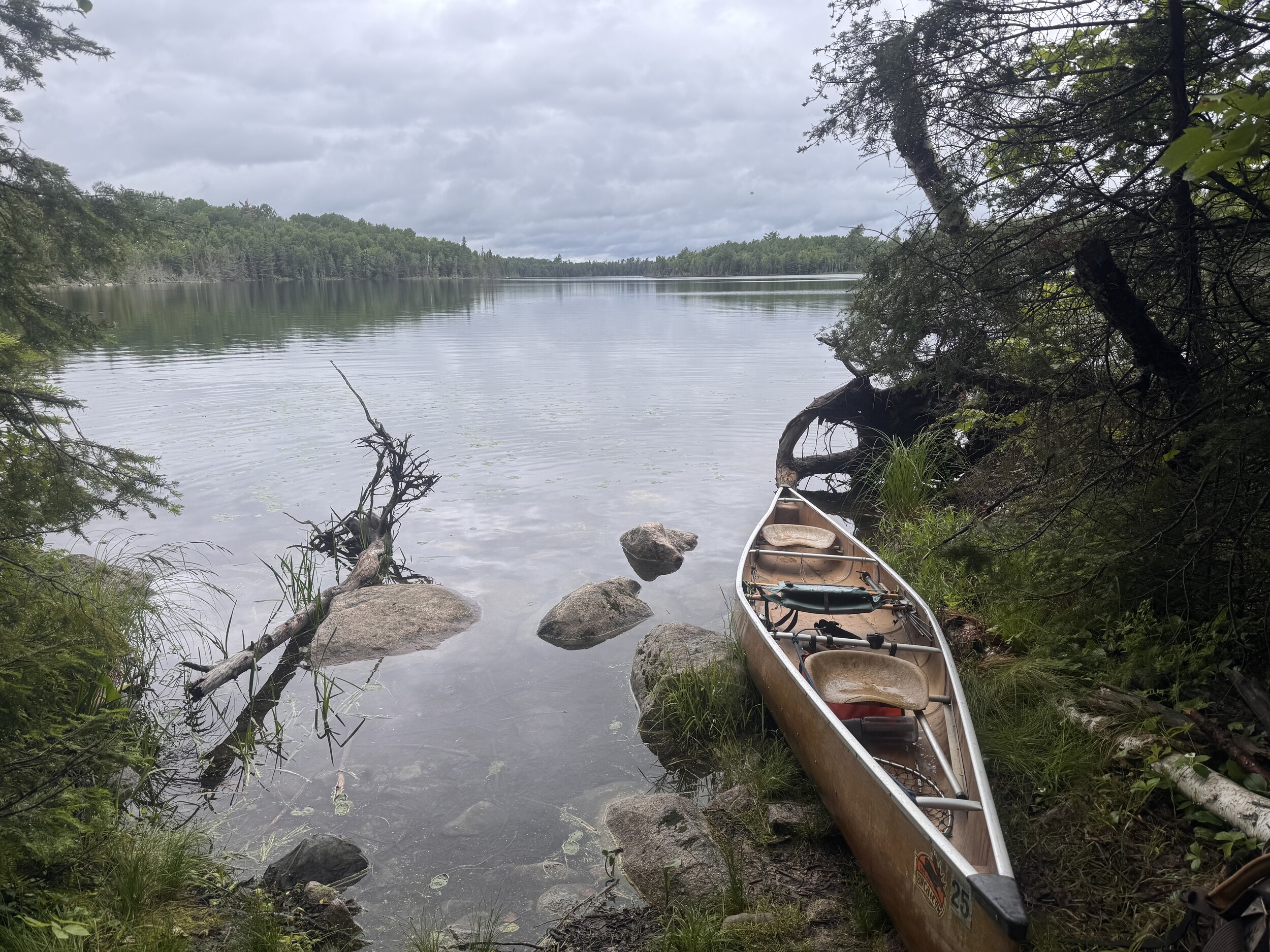
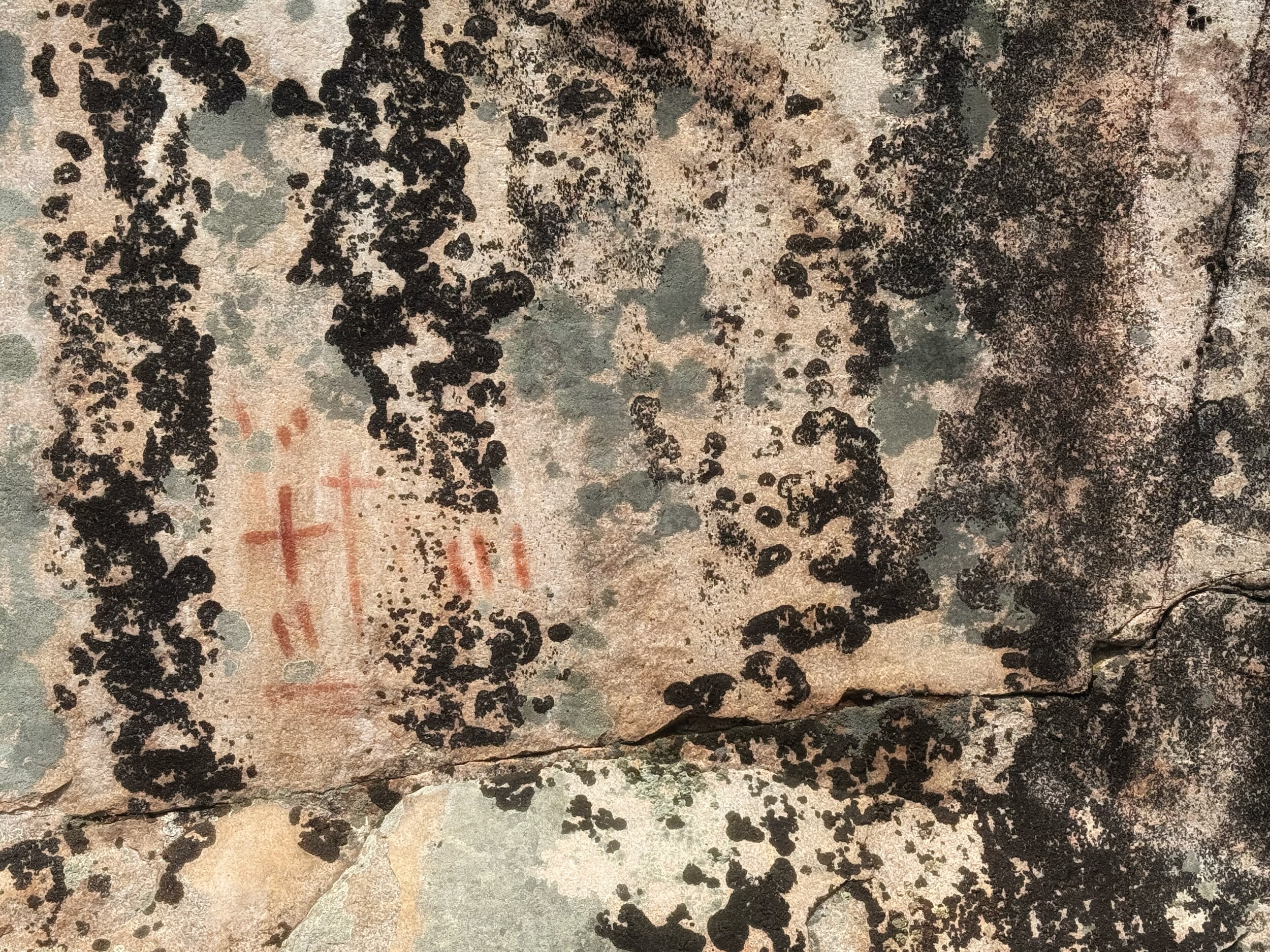
Saturday, June 21, 2025 It's raining when I wake up at 5:00, so I decide to fall back asleep and wait until it stops. I eventually get up at about 6:30 and start packing up. But first: coffee! I'm not feeling hungry for anything this morning, so I opt for a protein bar to get me to Oyster. I paddle across Gebe, lamenting my lack of catching any walleyes—it will have to wait until next year. The portage into Green is only 124 rods, but the first portion is a steady uphill ascent. Reaching Green, I notice the water levels are way up from the last time I went through. Beavers have dammed the creek that flows into Gebe, raising the lake by a few feet. Dozens of white pines that line the shoreline are now dead from the rising water. Green has more beautiful old-growth white pine along the eastern shoreline—another group of trees that must have escaped the logging that took place before the Boundary Waters was formed. The portage into Rocky is only 68 rods. Again, it's a short uphill climb before the portage levels off. Rocky Lake lives up to its name, as the end of the portage is littered with large boulders, making it slightly challenging to put in my canoe. Because I carry two large packs, I'm forced to "double-portage." While this takes more time, it allows me to see the forest—something you miss when your head is stuck under a canoe. I take my time on Rocky and visit the pictographs. The meaning of these pictographs remains a mystery. As I approach them, I get an uneasy feeling, as if something tragic had happened here. These pictographs intrigue me because they are somewhat hidden. Most people pass straight through this lake and would never know that they are there. I take my last short portage into Oyster Lake. From the end of the portage, I can see the campsite where I want to stay. I notice a tarp up, but I'm hoping they are still planning on leaving. I return to get my gear bag, and by the time I return, it looks like the group has left. Sure enough, as I approach the site, it is vacant. This will be my home for the next four nights. I decide to have a late breakfast at my new site. It's a combination of my dehydrated scrambled eggs and instant steel-cut oats. I set up my tent in a grove of cedars out of the sun. I prefer a two-person tent to a one-person tent. A one-person tent seems to be a little claustrophobic. I like the extra room, and it doesn't really add that much extra weight. After I set up my tarp, I get ready to fish for the rest of the afternoon. The day continues to warm, and I spend the entire afternoon fishing and sweating. I try jigging with no success and return to trolling. I get not one, not two, not three, but four strikes—but no fish. I manage to catch a 24-inch laker, which is too big for me to eat. I'm beginning to resign myself to a freeze-dried meal this evening when I hook into another laker. This one is about 18 inches—perfect for eating. I fry it up along with some stir-fry rice. After cleaning up dinner, I'm sweating profusely and ready to jump in the lake. Unfortunately, the last group that stayed on this site threw fish guts right off the campsite. The odor is almost unbearable. Still, I jump in to cool off. 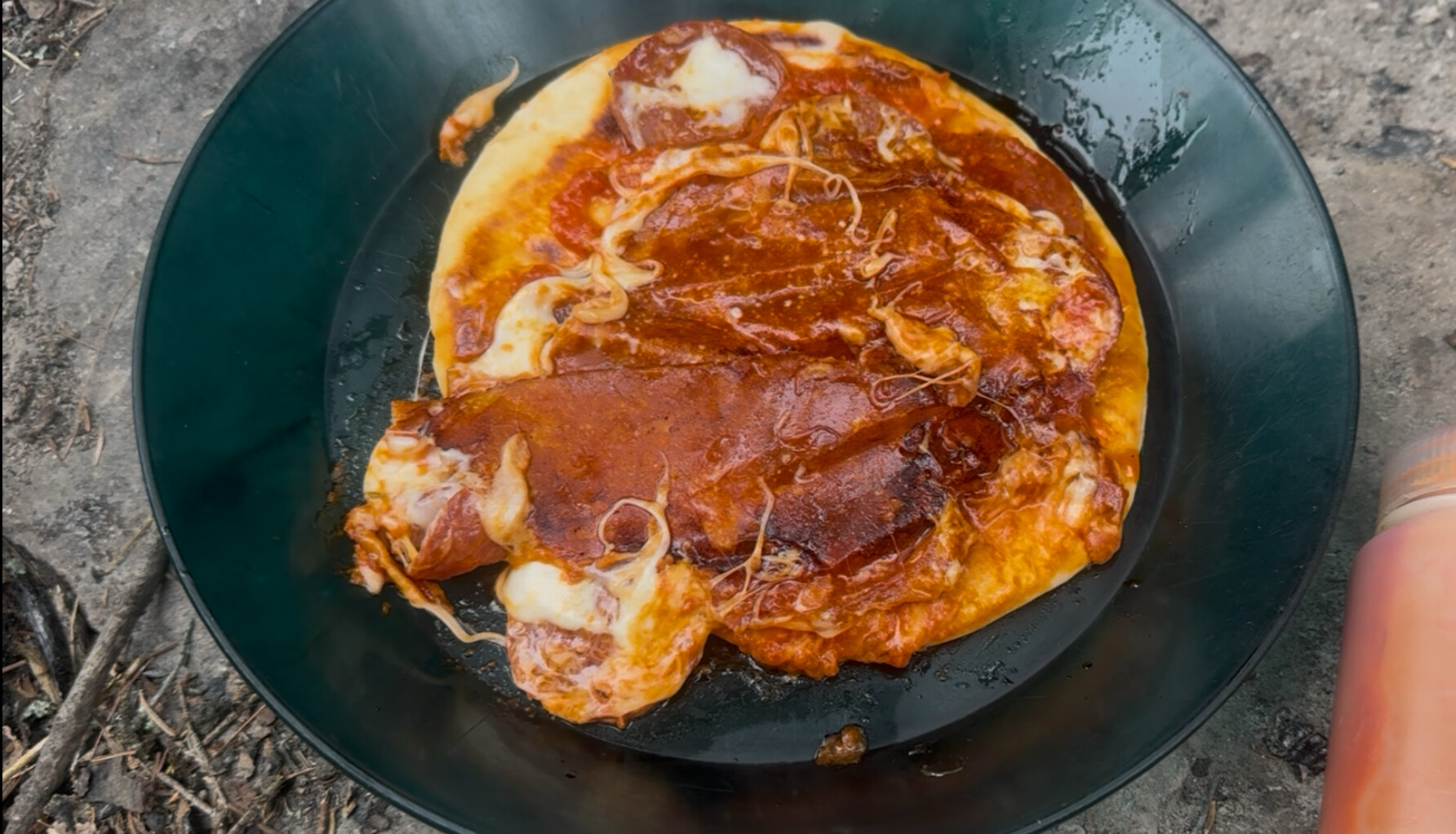
 Donate - BWCA.com
